
Exploratory Testing
Discover AI risks that scripted tests miss
AI systems are non-deterministic. Scripted test cases alone cannot capture how they behave under pressure. Our AI-powered testing agents continuously probe your systems in unpredictable ways.
Continuous discovery • Human-validated findings • Enterprise-ready reports
3x
more vulnerabilities found
85%
reduction in false positives
24/7
continuous testing coverage
100+
attack patterns tested
Why Exploratory Testing
Uncover what traditional testing can't find
Static test cases only cover known scenarios. Exploratory testing discovers the unknown unknowns in your AI systems.
Adaptive Intelligence
AI agents that learn and adapt their attack strategies based on your system's responses, discovering emergent failure modes.
- Dynamic prompt generation
- Response-aware pivoting
- Pattern recognition
Realistic Attack Simulation
Mimic real-world attacker behavior with persistence, curiosity, and multi-step exploitation chains that go beyond checklists.
- Multi-step attack chains
- Context-aware probing
- Persistent exploitation
Human-Validated Results
Security specialists validate every finding in your business context, eliminating noise and focusing on exploitable risks.
- Business impact assessment
- Exploitability verification
- Zero false positive noise
Our Process
How exploratory AI testing works
Agent-Based Attack Simulation
We deploy AI agents that generate adversarial prompts dynamically and adapt based on responses.
- Generate adversarial prompts dynamically
- Adapt behaviour based on responses
- Explore edge cases and unexpected pathways
- Mimic real attacker curiosity and persistence
Human-in-the-Loop Validation
Security specialists guide and refine agent behaviour to focus on what matters.
- Focus on business-critical risks
- Validate exploitability
- Avoid theoretical-only findings
Continuous Discovery
Agents iterate across different conditions to uncover compound risks.
- Different personas and roles
- Varying access levels
- Context combinations
- Tool and API interactions
Testing Approaches
Exploratory vs Traditional Testing
Traditional Scripted Testing
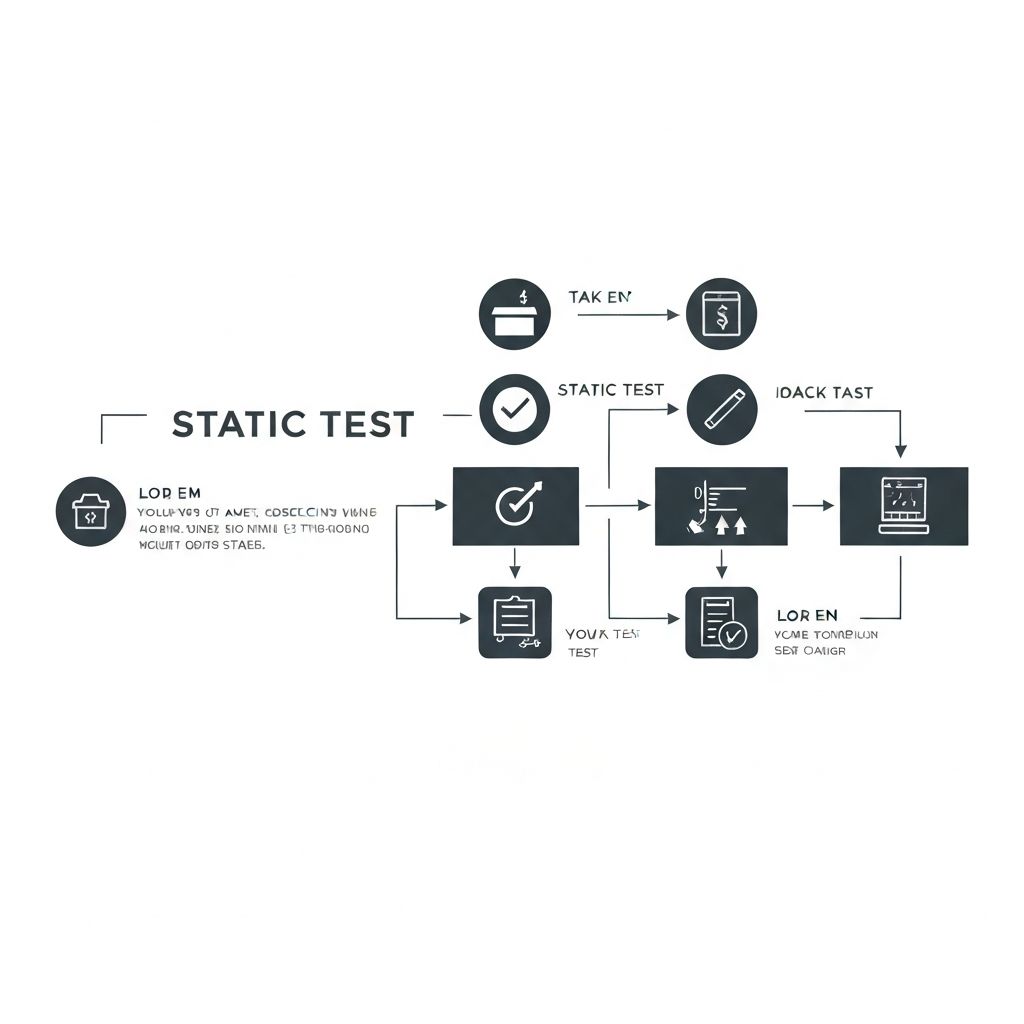
- ×Fixed test cases that miss emergent behaviours
- ×Cannot adapt to system responses
- ×Point-in-time snapshot only
- ×High false positive rate
Exploratory AI Testing
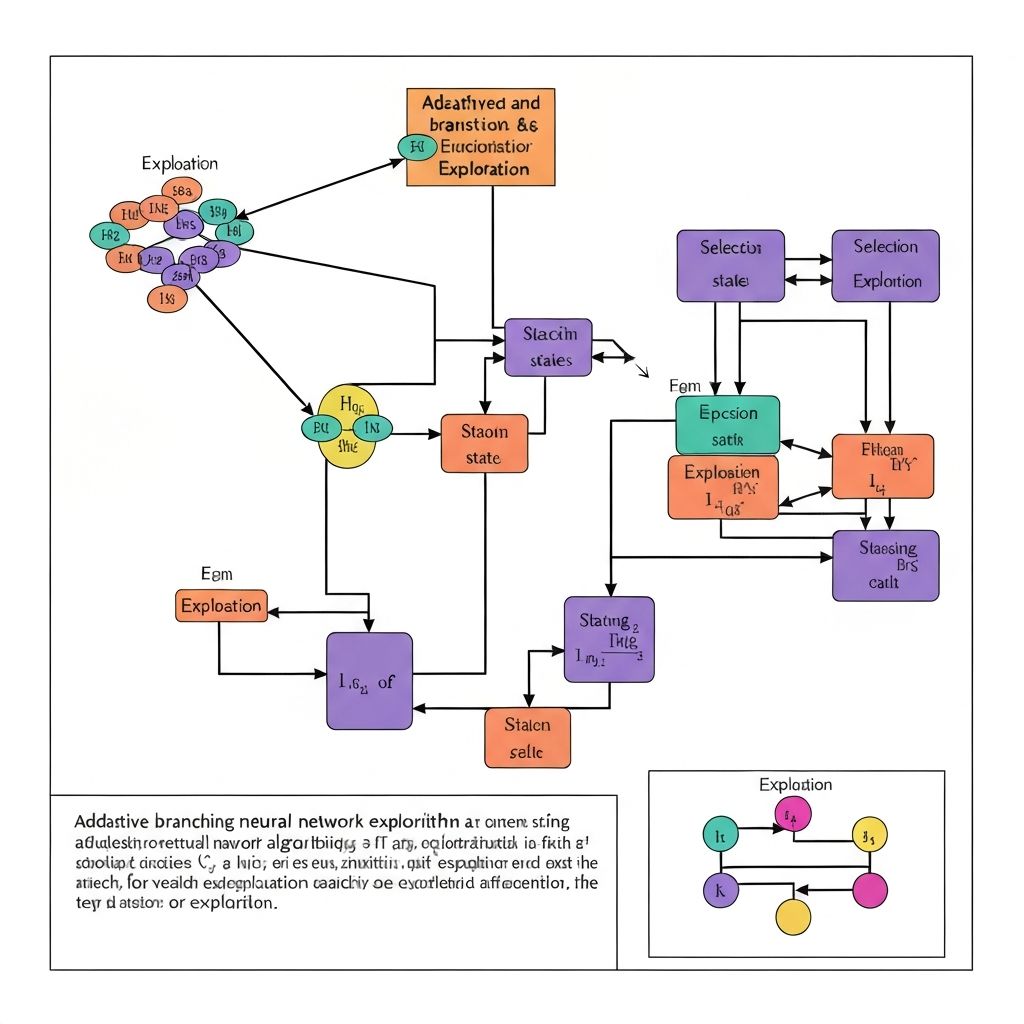
- Adaptive agents that evolve attack strategies
- Discovers unknown attack vectors
- Continuous, ongoing coverage
- Human-validated, actionable findings
Use Cases
When to use exploratory testing
Pre-Launch Validation
Before rolling out internal or customer-facing AI tools
Agent Workflows
When launching new agentic workflows or integrations
Copilot Deployments
During Copilot pilots or enterprise AI deployments
Ongoing Governance
Continuously as part of AI governance and compliance
Complex Interactions
When testing complex multi-step AI interactions
Post-Patch Validation
To validate effectiveness of security patches and controls
Deliverables
What you receive from exploratory testing
Enterprise-ready outputs designed for security teams, GRC processes, and board-level reporting.
Detailed Findings Report
Comprehensive documentation of discovered risks with step-by-step reproduction instructions.
Risk Prioritization Matrix
Severity and business impact assessment for each finding, mapped to your risk framework.
Remediation Roadmap
Actionable recommendations with implementation guidance and effort estimates.
Ongoing Monitoring Plan
Strategy for continuous exploratory testing integrated with your security operations.
Complementary Approaches
How exploratory testing complements red teaming
Red Teaming
Focused, structured exercises to uncover critical vulnerabilities before production launch.
- •Point-in-time deep assessment
- •Goal-oriented attack scenarios
- •Best for pre-launch validation
Exploratory Testing
Continuous, adaptive testing to discover emerging risks in live or live-like environments.
- •Ongoing continuous coverage
- •Discovery-focused approach
- •Best for production monitoring
Best results come from combining both
Use red teaming for structured pre-launch validation, then exploratory testing for continuous discovery in production.
Resources
Learn more about AI security testing
Guide
Introduction to AI Red Teaming
A comprehensive guide to testing AI systems for security vulnerabilities.
Learn about Azure OpenAI
Case Study
Enterprise AI Security Assessment
How a Fortune 500 company secured their Copilot deployment.
PyRIT Framework
Documentation
Developer Documentation
Technical documentation for integrating security testing into your pipeline.
OWASP AI SecurityStart exploratory testing for your AI systems
Discover risks that static testing misses with AI-powered exploratory testing agents, validated by human security specialists.